by: Julia Aitken, Program Director
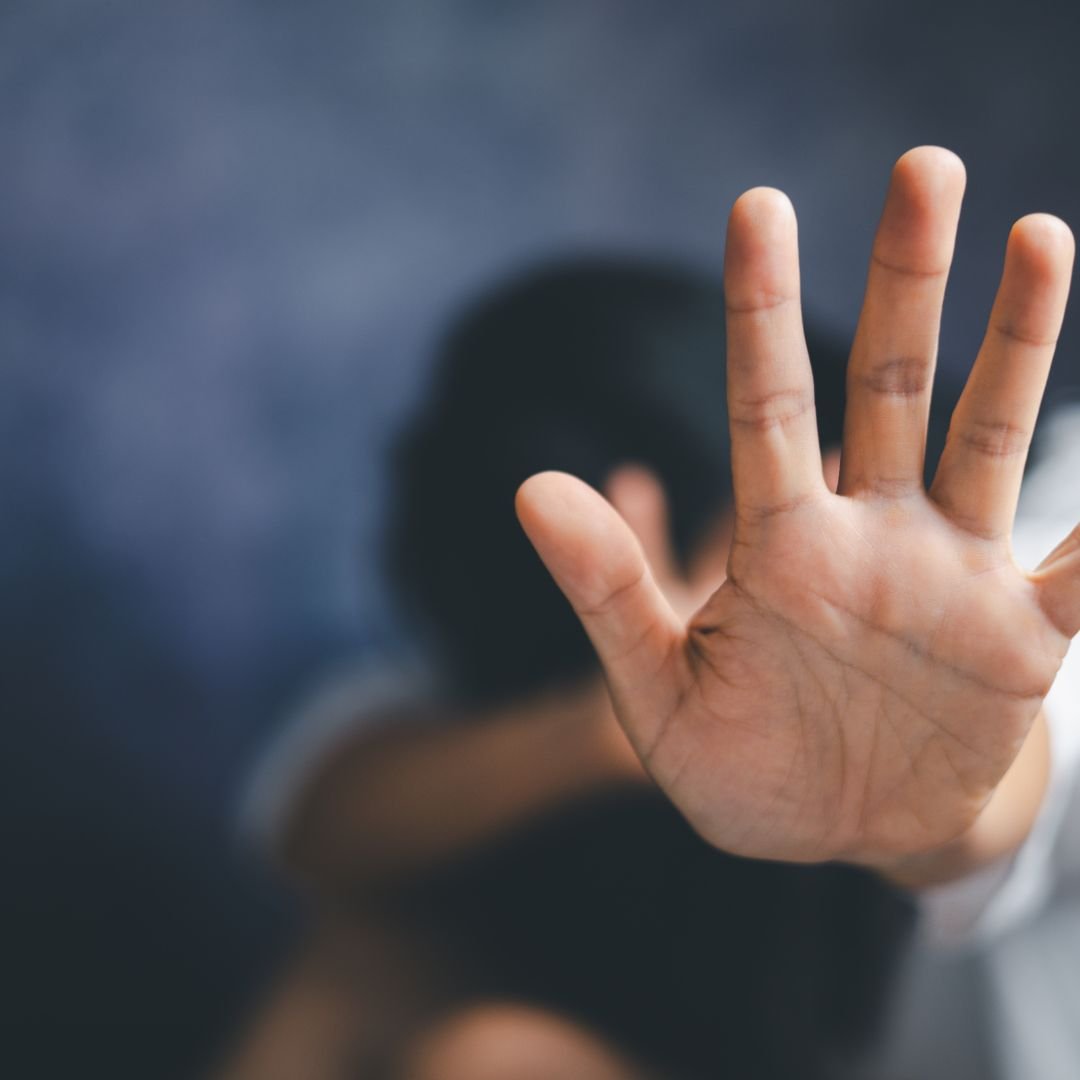
The Human Cost of Gender-Based Violence Across Conflicts
Across Afghanistan, decades of conflict have hardened into a system of gender apartheid. Four years since the Taliban takeover, waves of restrictions have stripped them of their rights and dignity, and not one has been reversed. In this reality, young girls continue to be pushed toward forced marriage, one that their families hope will offer economic relief and social protection. Poverty has left them with little choice, but the consequences are devastating: early pregnancy, heightened risk of violence, preventable deaths in childbirth, and a generational cycle of inequality that traps women and girls in lives defined by coercion rather than choice.
Thousands of kilometres away, in the Darfur region of Sudan, besieged by the Rapid Support Forces, a mother fights for survival in a landscape where hunger and sexual violence are wielded as weapons of war. Her body, frail from famine, is pushed to its breaking point as she risks rape and trafficking each time she leaves home to gather firewood or water. Her children — skeletal, exhausted, and hungry — echo the brutality of a conflict that targets women with deliberate, systematic cruelty.
In Myanmar, inside an overcrowded displacement camp, a woman endures escalating abuse from her husband — a pattern intensified by food scarcity, confinement, and chronic stress. In a country where patriarchal norms and weak legal protections render justice out of reach, survivors of domestic violence are often silenced before they can ever seek help.
A Shared Thread
Though these stories unfold in different corners of the world, they are bound by a common truth: gender-based violence does not emerge in isolation. It is rooted in systems — political, economic, cultural, and digital — that restrict women’s bodies, choices, and agency. Whether the threat comes from armed groups, family structures strained by poverty, or online spaces riddled with harassment, the result is the same: survivors face layered, intersecting barriers that no single organization can dismantle alone.
An endemic crisis raging across societies and online spaces
Gender based violence (GBV) remains one of the most pervasive and underreported human rights violations worldwide— and its impacts are magnified in humanitarian crises. As we commemorate the International Day for the Elimination of Violence Against Women and the 16 Days of Activism, these stories reflect an alarming reality that many live with daily.
Last year, an estimated 676 million women, nearly 17 per cent of the global population, lived within 50 kilometres of a deadly conflict, the highest number since the end of the Cold War. Intersecting discrimination, including online violence and targeting based on sexual orientation or identity, compounds the risks to women, girls and at-risk youth.
The Digital Battleground
While technology can provide crucial access to information, it also exposes many women in conflict zones to digital harassment, stalking, and coordinated abuse. Deeply rooted patriarchal norms have migrated into online spaces, creating a dual system of oppression:
Women and girls are criminalized for exercising their right to exist online, and
Simultaneously attacked on the very platforms where they are forbidden to participate.
The Silent Toll of Underreporting
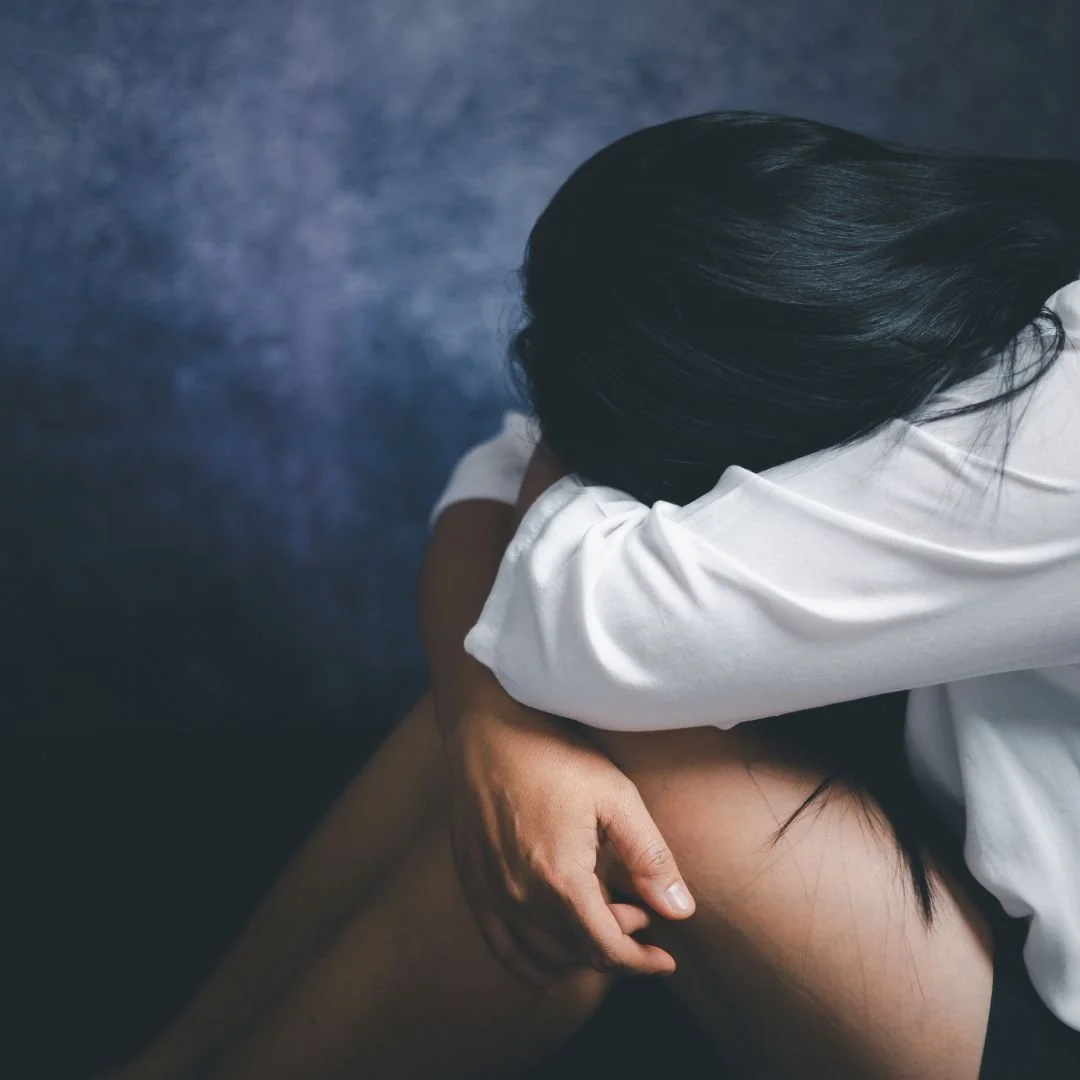
The chronic underreporting of GBV leaves countless survivors to navigate their trauma alone, often carrying the added burden of stigma, discrimination, and ostracization, without access to protection systems, justice, or psychological support. Trauma compounds across generations — undermining health, education, employment, and long-term recovery.
Why Collaboration Matters
In the face of this complex crisis, it is clear that no single organization can dismantle the structural causes of GBV. Yet within this daunting landscape lies a powerful opportunity: coordinated, gender-sensitive, survivor-centred action. When organizations, governments, and civil society work together, they create a virtuous cycle of intervention, healing, and empowerment.
This belief anchors Aman Lara’s Path to Protection initiative. Recognizing the intersecting and deeply entrenched barriers women, girls, and at-risk-youth face in conflict, we created a gender- and youth-responsive protection stream within our Global Refugee Support & Safe Passage Program to provide life-saving protection to those experiencing violence and systemic exclusion.
Shining the light on survivor agency and trauma-informed care
A cornerstone of Pathway to Protection is survivor agency and trauma-informed care, an evidence-based approach that not only improves the survivor’s immediate well-being but also promotes their long-term recovery by fostering a community of care and healing around them through comprehensive support services.
Sara, the first beneficiary under our Path to Protection initiative, is a young Afghan woman born in Canada, taken to Afghanistan at 14, where she faced a forced marriage to a member of the Taliban. A few months ago, a coordinated effort between the Consular Services at Global Affairs Canada and Aman Lara enabled her safe return to Canada —an outcome shaped entirely by her voice, choices, and lived experience. Implementing this approach entailed two complementary phases.
Phase One: Protection and Movement | Our work began with a comprehensive risk assessment and emergency legal assistance. We secured identity documentation, arranged safe transit and temporary shelter, and coordinated Sara’s onward movement to Canada — ensuring each step aligned with her consent and priorities.
Phase Two: Healing and Recovery | Upon arrival, we connected her with a national partner that provided transitional housing, psychological care, trauma counselling, mentorship, and skills development. These supports created a stable environment for Sara to begin healing, processing her experiences, and rebuilding her sense of agency and autonomy.
Sara’s journey reflects what becomes possible when survivors are treated as partners in their own protection rather than passive recipients of help. Her story demonstrates the power of a coordinated ecosystem of care — one that integrates intervention, healing, and long-term recovery.
All hands on deck to break the silence against GBV
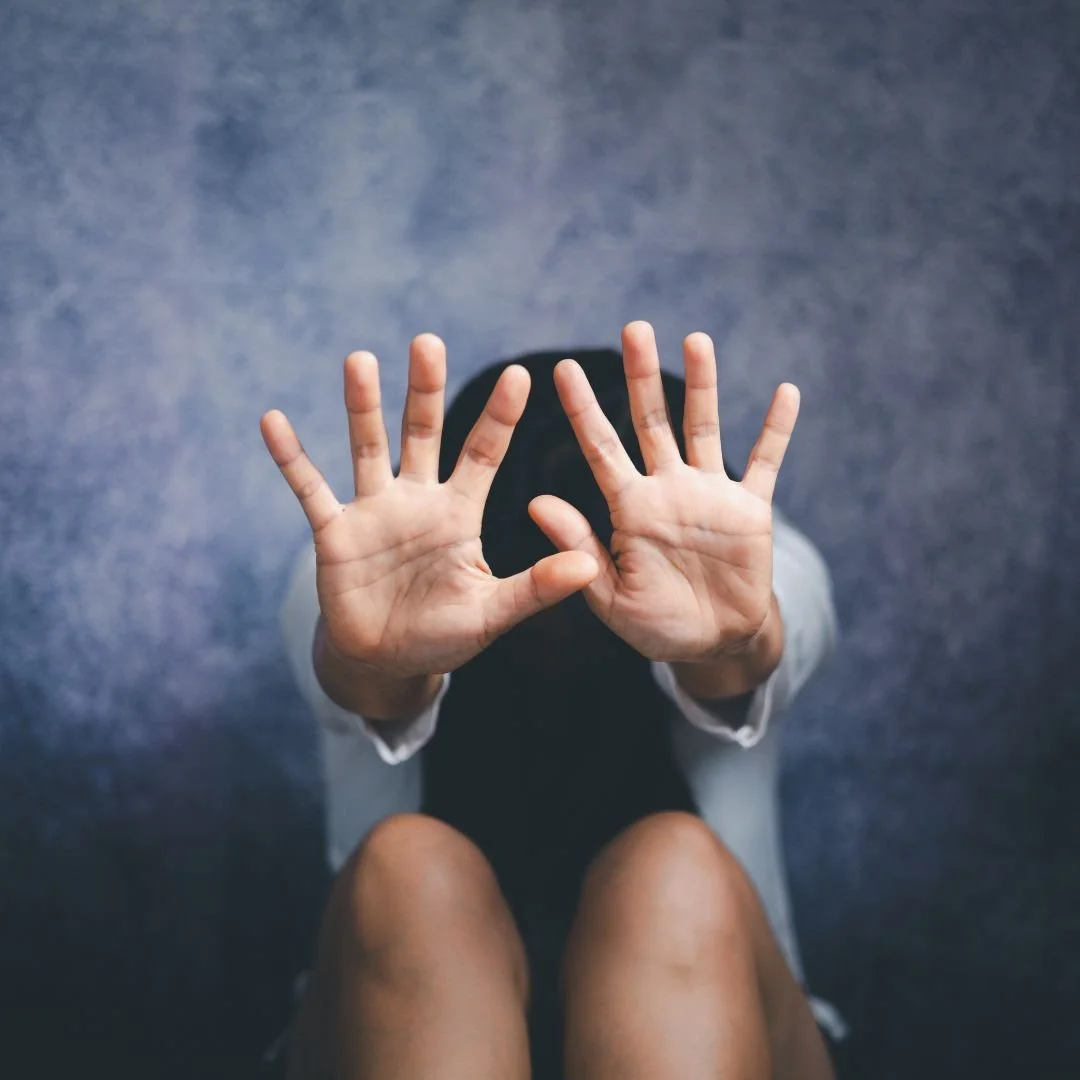
As the 16 Days of Activism begin, from Afghanistan to Sudan to Myanmar and countless other places where GBV is spoken about in fear and survivors are silenced, we stand with all the victims and survivors.
We refuse to look away from the systems — rules, norms, and power structures — that continue to legitimize violations of women’s bodies, voices, and futures.
Aman Lara’s Path to Protection initiative is already saving lives — but the need has never been greater. Requests for help are rising, and every case requires intensive, time-sensitive support: legal assistance, shelter, safe movement planning, documentation, and trauma-informed counselling.
To meet this demand, we need partners who are willing to join us.
Your contribution directly strengthens our ability to respond quickly when a survivor reaches out for help.
Together, we can break the silence and build safer futures for those who need it most.