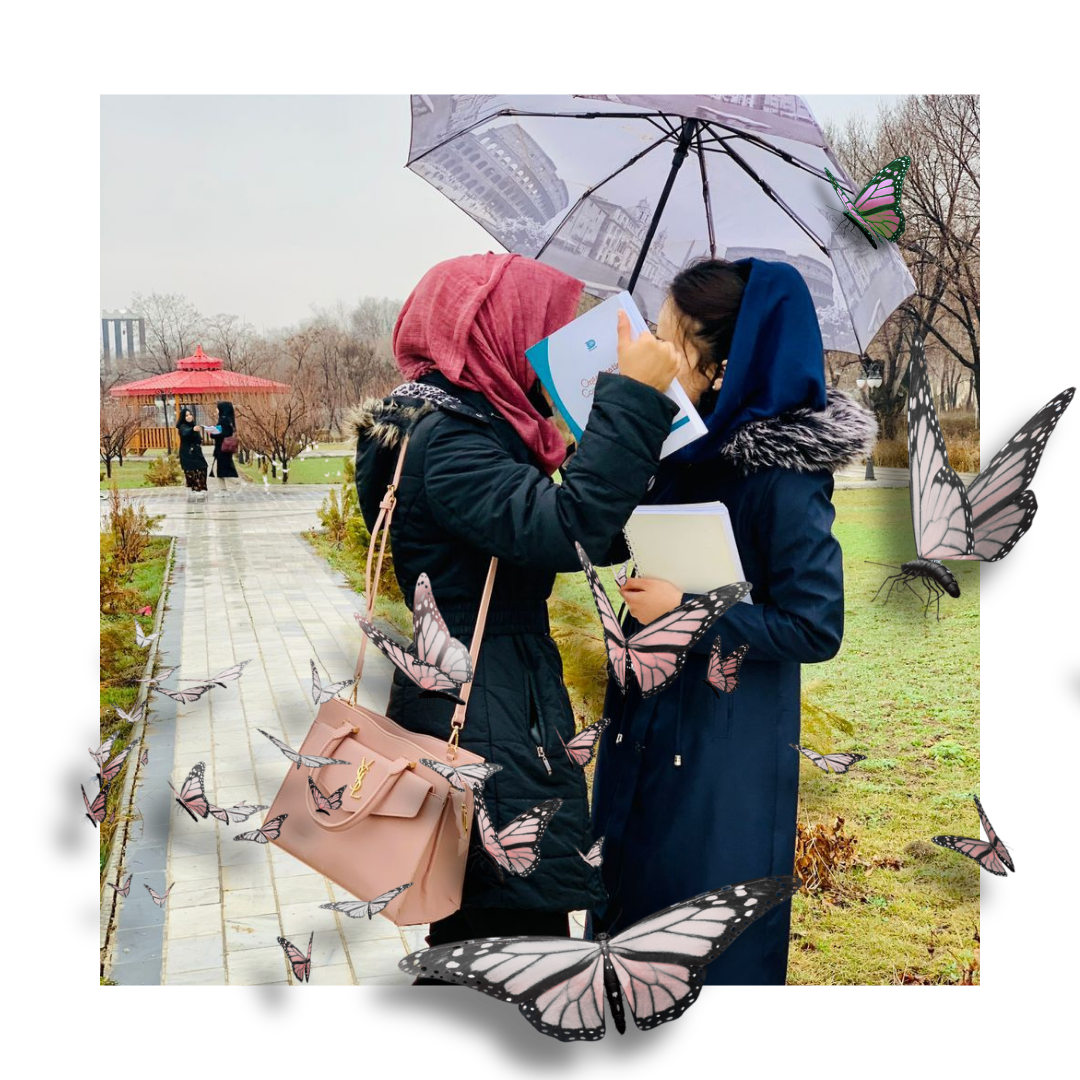
Earlier this year, two women arrived in Canada. They had been students once bright, hopeful, full of plans. They had found in each other something they had to keep hidden to survive. When that was no longer possible, they ran. The journey that followed was long, uncertain, and at times terrifying. There were moments when the pathway forward was not clear, when the systems meant to help them could not, when the outcome was genuinely unknown.
They arrived anyway. They are safe. They are beginning again.
We are sharing their story in full this week -- because they have asked us to, and because we believe it deserves to be heard. But today, on International Women's Day, we want to share something they said that stopped us in our tracks:
"You may not know us personally, but your kindness reached us across borders and saved our lives."
That is what this work is for. And it is what is most at risk right now.
What International Women's Day Looks Like From Here
Every year, the day arrives with the same rhythm -- the graphics, the captions, the inspiration. And every year, the gap between what gets celebrated and what gets ignored grows harder to look past.
Because while the hashtags run, the reality for millions of women and girls is this:
aft linked in post
There is a harder question underneath all of this, one we sit with in this work every day.
Why does some suffering command the world's attention, and some disappear? Why do some women's stories become movements, while others further away, less visible, less legible to the systems meant to protect them, are met with silence?
We do not have a complete answer. What we have is a commitment to showing up in the places the world is not watching.

The Women Still Waiting
Aman Lara's Path to Protection initiative exists for the women the headlines do not reach -- serving women, girls, and at-risk youth across conflict zones and displacement corridors worldwide. Emergency legal assistance. Safe shelter. Secure transit. Trauma-informed psychosocial support. For those who have genuinely run out of other options.
Every week, more than 100 individuals and organizations reach out to us -- because they have tried everything else, and we are what remains. Each request represents a person. A family. A life waiting to hear whether we can say yes.
For a long time, we have been able to say yes.
That is what we are most proud of. And it is what is most at risk right now.
Image left: Smoke rises above buildings in Tehran on Sunday after Israel and the US launched strikes on Iran. Photograph: Majid Asgaripour/Reuters
What It Actually Takes
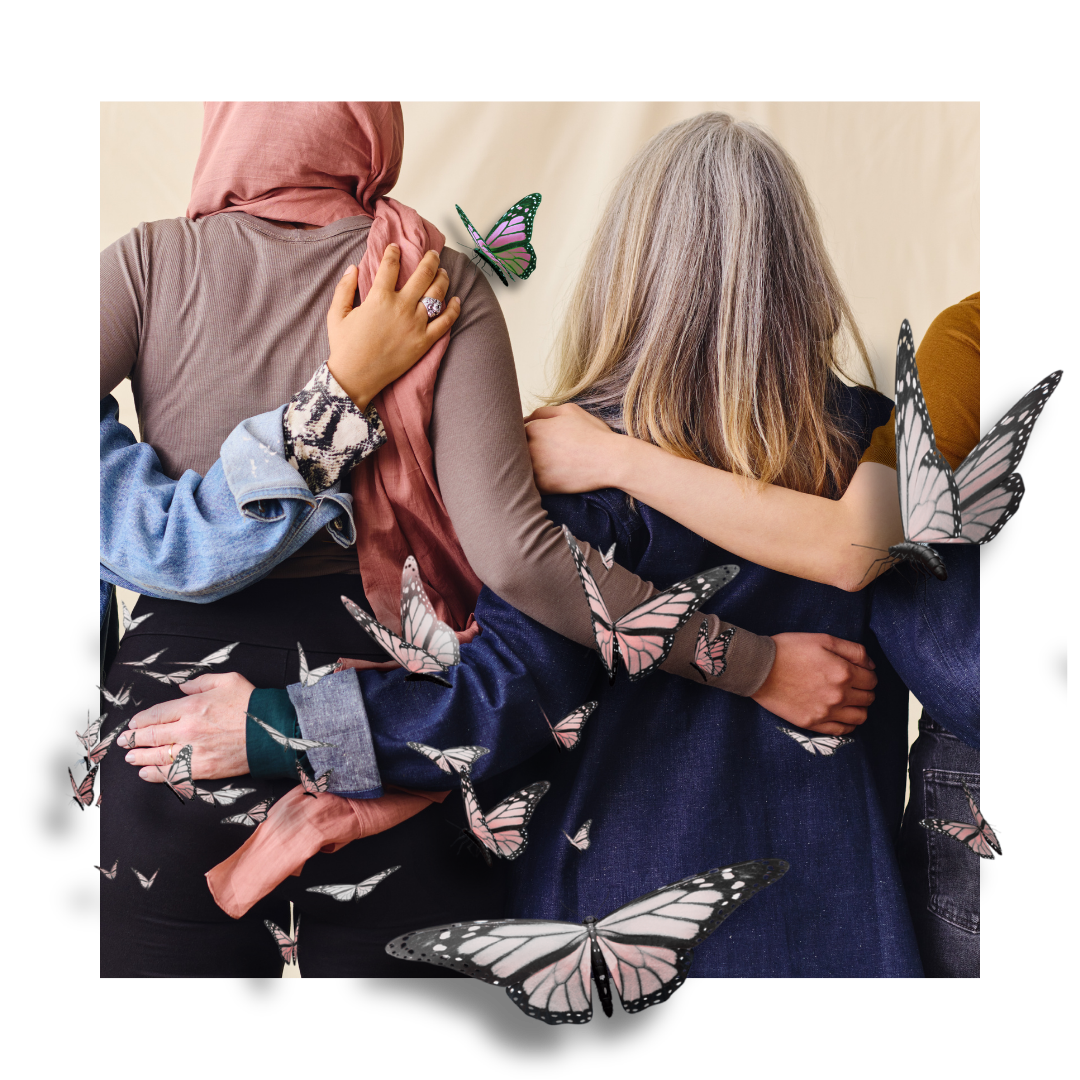
The two women who arrived safely this year did not get here because the system worked. They got here because a team of dedicated people refused to stop -- navigating legal processes, coordinating movement, securing shelter, holding the thread across months of uncertainty. And because a community of donors kept the lights on long enough to see it through.
That is not a metaphor. It is the operational reality of what protection work requires.
The international systems designed to respond to the crises described above are retreating. Major donors are reducing aid commitments. Organizations that have anchored the global protection system for decades are scaling back or closing. The gap between what is needed and what is funded is widening -- and smaller, mission-driven organizations like ours are being asked to fill it without the resources to do so alone.
We are a small organization. We have never pretended otherwise. But since 2021, we have supported over 7,700 individuals across Afghanistan, Ukraine, and beyond -- coordinating evacuations, securing legal protection, and building pathways to safety that larger, slower systems could not. What we have never had is deep reserves. When funding contracts, we feel it immediately. And right now, we are feeling it.
An Honest Ask
We are not writing this to sound an alarm. We are writing it because the people who support this work deserve honesty and because the women still waiting deserve advocates willing to say plainly what is at stake.
As of March 15th, we are facing a significant operational funding gap. Without bridge support, we will be making difficult decisions about staffing and case intake that will have real consequences for real people.
The ask is simple. If you are in a position to give, please give before March 15th.
Every dollar goes directly to the operational capacity that makes everything else possible the case managers, coordinators, and protection advocates who are the pipeline through which this work flows. Every donation is eligible for a Canadian charitable tax receipt.
If you represent a foundation, company, or philanthropic fund aligned with gender equity, human rights, or refugee protection we would welcome a conversation.
And if you cannot give right now, please share this.
The women who need advocates are not all on our mailing list. Neither are all the people who might become one.